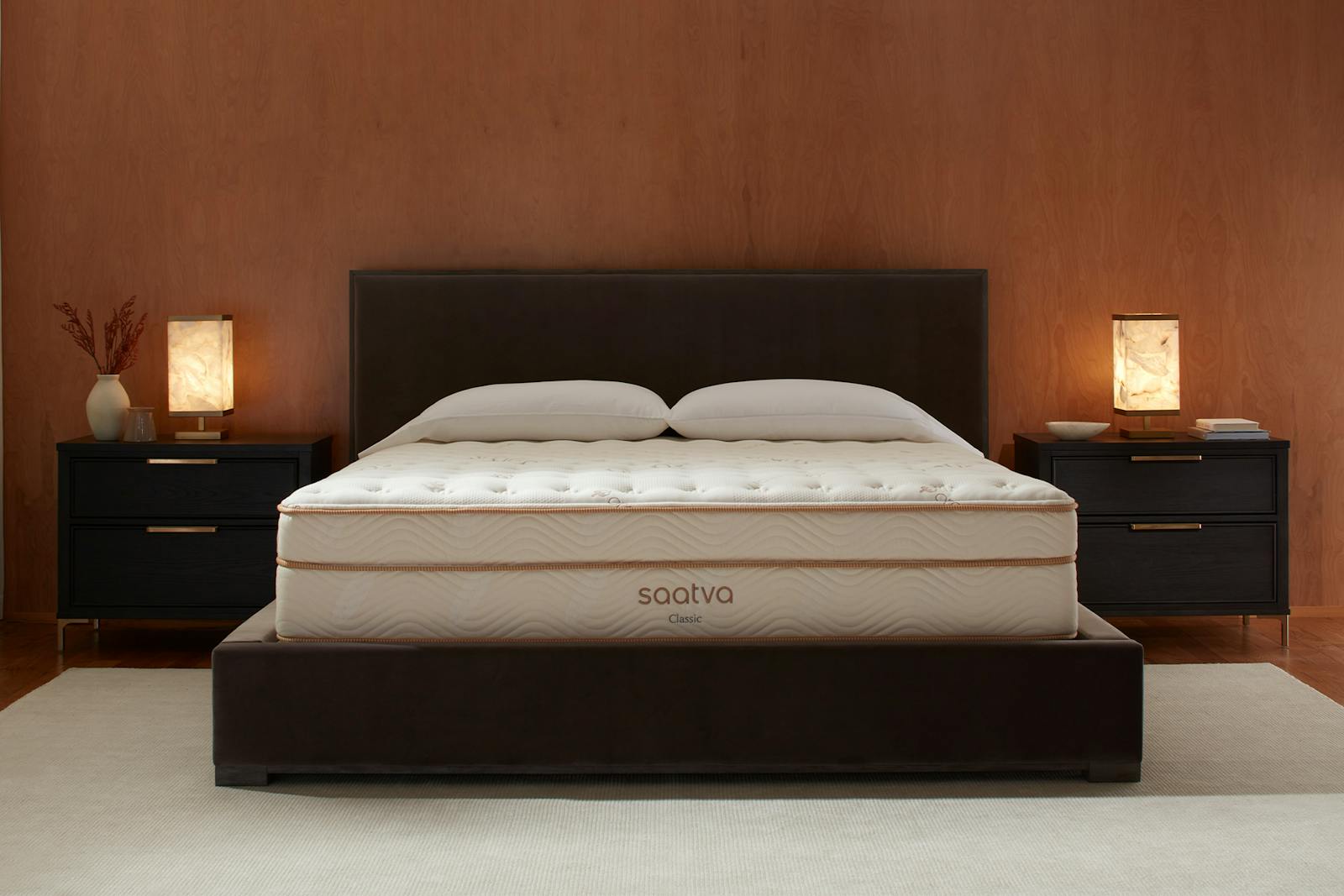
The last ten minutes before checkout are for verification, not more browsing. Confirm the exact product and complete setup, make the tradeoffs explicit, and save the terms that determine what happens after the mattress arrives.
A split king can solve real differences between two sleepers, but it also creates a seam and turns one bed into a coordinated system of mattresses, bases, bedding, and policies. It is most useful when the personalization solves a problem both partners can name.
Body weight changes how a mattress is loaded, but it does not assign one correct firmness or construction. The useful approach is to verify the exact model and support system, then compare how the complete setup works for the individual or couple.
A guest room mattress cannot be perfect for every visitor. A better goal is a broadly usable setup that fits the room, covers the most likely guests, stays manageable to maintain, and does not put too much money at risk.
A mattress for a teen should fit the person, the room, the bed frame, and the household budget. The goal is not to buy from a youth label, but to make a practical choice that can still work as preferences and living arrangements change.
A mattress can contain certified cotton, certified latex, tested textiles, and certified foam without every claim applying to the complete mattress. The useful question is not whether a logo appears, but exactly what that logo covers.
An adjustable base changes the support surface from flat and fixed to moving and hinged. Before you buy or install one, verify that the exact mattress, frame, room, and warranty terms are designed to work with that movement.
A pillow cannot be chosen in isolation from the mattress below it. The amount your shoulder and torso sink changes the space your pillow must fill, so a mattress change can make a familiar pillow feel unexpectedly tall, low, firm, or unstable.
A mattress does not create one fixed experience for every sleeper. Its materials respond to a particular person, position, support system, room, and set of expectations, which is why honest opinions about the same model can conflict.
Buying online removes the showroom test, but it does not require a blind guess. A short list built from exact model facts, meaningful tradeoffs, complete costs, and readable policies can make the decision much more controlled.
A showroom visit works best as a controlled comparison, not a comfort verdict. Test a small number of exact models in the same positions, for similar amounts of time, using written notes.
A mattress does not expire on a universal schedule. Replace it when its condition, fit, cleanliness, or safety creates a problem that inspection, setup changes, or warranty service cannot reasonably solve.
A long warranty can still offer narrow protection. Read the covered defects, exclusions, support requirements, remedy, ownership rules, and claim process before you treat the term as a benefit.
A cooling claim becomes useful only when you can tell exactly what was measured, what it was compared with, and whether the result applies to the complete mattress you are considering.
Motion isolation is the mattress's ability to limit how much one sleeper notices movement from the other side. It can matter greatly for some couples, but it should not erase firmness, response, space, and policy from the decision.
Edge support describes how the perimeter responds when you sit or lie near it. It can affect usable space and stability, but it is only one tradeoff in the complete mattress.
A compatible bed base is not a minor accessory. It must support the exact mattress, sleepers, and foundation while meeting the manufacturer's current construction and warranty rules.
The best mattress size is not automatically the largest one that fits through the door. It is the size that gives the sleepers enough usable space while leaving the room functional and the complete setup within budget.
A useful mattress budget is not a universal price band. It is a hard total-cost ceiling that covers an acceptable mattress, the setup it requires, and the purchase risks you can reasonably anticipate.
A long trial can sound reassuring, but the number of nights is only one part of the policy. The more important questions are when the clock starts, what makes a return eligible, who handles the mattress, and how much money you actually get back.
Latex and memory foam can both provide cushioning, but they usually respond differently when you settle in or change positions. The better choice depends on whether you prefer quicker recovery and buoyancy or slower contouring and a closer cradle.
Memory foam and hybrid are construction labels, not complete descriptions of feel. The better choice depends on the exact comfort layers, how much contouring and bounce you want, and which tradeoffs matter in your bedroom.
Cooling is not one feature, and a cooling label cannot predict how a mattress will feel in your bedroom. A stronger comparison looks at the complete construction, how closely the surface contours, what evidence supports specific claims, and the rest of your sleep setup.
The best shared mattress is rarely the one that wins every category for one person. A stronger choice starts with two separate preference lists, then makes the compromises around firmness, movement, space, temperature, and cost explicit.
Combination sleepers need a mattress that works across positions and does not make turning feel like a chore. The right shortlist starts with your primary position, then balances cushioning, resistance, and response for the way you actually move.
Stomach sleepers do not need one universal firm mattress. A useful shortlist focuses on how much the middle compresses, how the surface cushions, how easily you move, and whether the exact model and policies fit.
Back sleepers do not need one universal mattress type or firmness. A useful comparison looks for the right balance of initial cushioning, steady resistance, easy movement, and clear purchase protections.
Side sleeping is a useful starting filter, but it does not determine one correct mattress. The better shortlist balances surface give, ease of movement, firmness preference, and the exact model's return terms.
Firmness numbers look precise, but they are not universal. A better choice starts with the feel you know, the amount of cushioning you want, and the exact options offered for one mattress.
The construction label cannot tell you whether a mattress will feel right, but it can help you predict how quickly it responds, how deeply it may contour, and which tradeoffs deserve a closer look.
The right mattress is not the one with the loudest claims. It is the one whose feel, construction, price, and return terms fit the way you actually sleep.