HOUSEHOLD
How to Choose a Guest Room Mattress
A guest room mattress cannot be perfect for every visitor. A better goal is a broadly usable setup that fits the room, covers the most likely guests, stays manageable to maintain, and does not put too much money at risk.
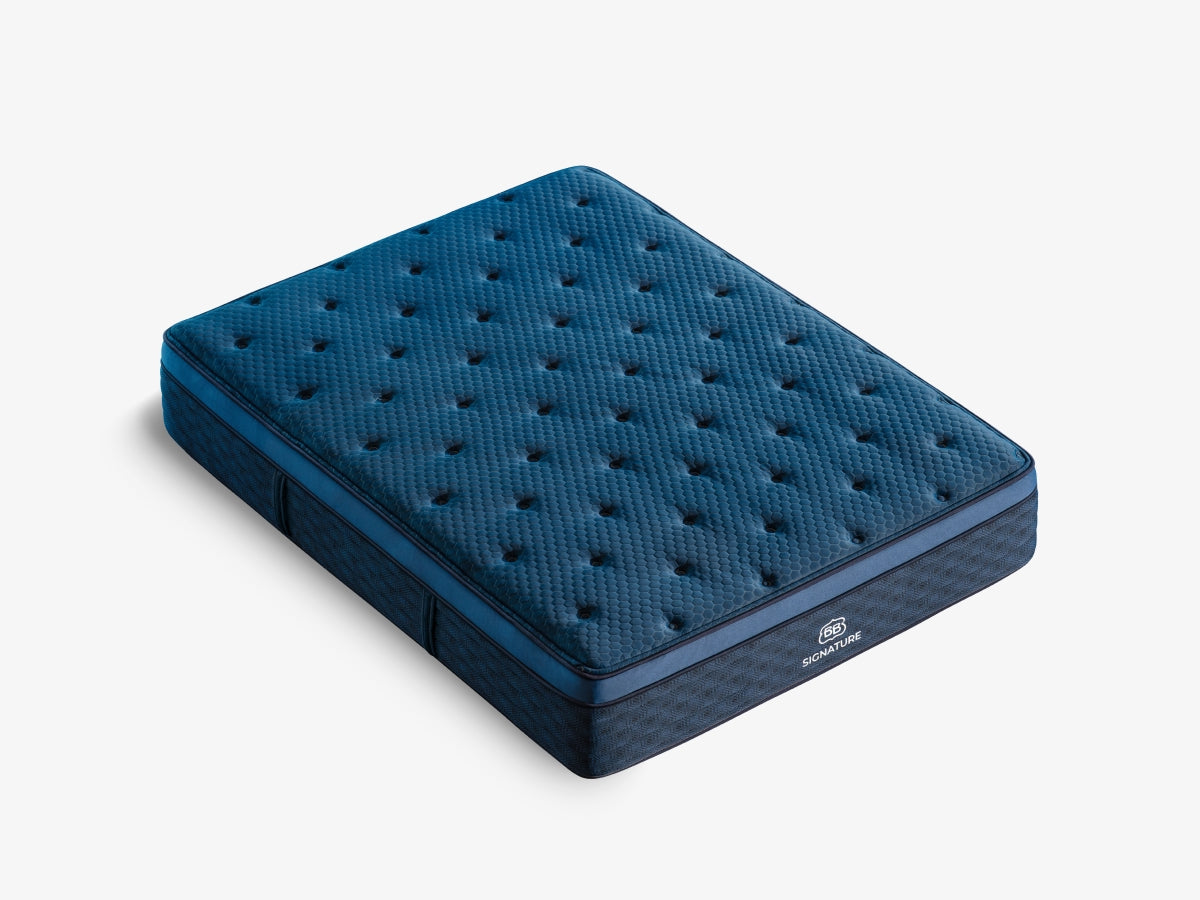
THE SHORT VERSION
Choose a guest room mattress for the people most likely to use it, not for an imaginary average sleeper. Measure the room and existing base, decide whether the bed must regularly fit one adult or two, and use a middle-of-the-range feel as a practical starting point rather than a universal answer. Compare a small set of models for surface feel, ease of movement, edge use, finished bed height, and care requirements. Set a total budget that includes the base, protector, sheets, delivery, and possible return costs. Finally, verify the exact seller's trial, return, and warranty terms before buying.
Design for the guests you actually host
Start with a simple guest profile. List who stayed during the past year, who is most likely to visit next, whether guests usually arrive alone or as a couple, and how many nights the room is occupied. A bed used by one adult twice a year calls for a different investment than one used every month by the same couple.
Ask regular visitors about any strong preferences or practical needs before shopping. Do not try to solve for every body size, position, and preference at once. That usually creates a vague and expensive search. Cover the common case, make one or two predictable compromises, and be ready to explain the setup to guests who have specialized needs.
Choose the size from the room and the guest pattern
A Queen gives two adults more width than a Full, but it also takes more floor space and increases the cost of the mattress, base, protector, and sheets. A Twin or Twin XL can be sensible for a narrow room that usually hosts one person. Two Twin XL mattresses create more setup options, but they require more pieces and leave a center seam when placed together.
Measure the exact mattress footprint, door swing, drawers, closet access, luggage area, walking paths, and delivery route. Tape the proposed footprint on the floor. Leave enough room for a guest to reach both sides when the bed will regularly host a couple. Product dimensions can vary slightly, so confirm the measurements for the exact model before checkout.
Aim for broad usability, not universal comfort
There is no firmness that every guest will prefer. Firmness labels are relative, and two mattresses called medium can feel different because their comfort layers, transition layers, coils, and covers respond differently. A middle option can be a reasonable starting point because it avoids choosing an extreme without information, but it is not a guarantee of comfort.
Compare each candidate with a familiar reference. Ask whether it feels softer, firmer, more contouring, or easier to move on than the bed you know. For frequent guests, give their preferences more weight. If a regular visitor needs an individual accommodation for a health condition, ask what setup they use and follow their qualified clinician's guidance rather than relying on a general mattress rule.
Use construction labels as clues
Foam, hybrid, latex, and innerspring describe broad construction families, not a guaranteed experience. A thicker foam comfort section may feel more contouring, while coils can change surface response and edge behavior, but the exact design matters more than the category name. Do not assume that every hybrid feels alike or that one material is best for guests.
Focus on practical comparisons: how quickly the surface responds, how easy it is to change position, how stable the edge feels when sitting, and how much movement reaches the other side. Edge use matters more in a small room where guests sit on the bed to dress. Movement may matter more when couples are common. Treat brand claims as questions to verify, not settled results.
Check the complete bed height and base
Inspect the existing frame, slats, center support, and foundation before replacing only the mattress. Record slat spacing and compare it with the mattress maker's written requirements. An incompatible or worn base can affect stability and may affect warranty coverage.
Add the frame, foundation, and mattress heights to find the finished bed height. A tall setup can dominate a small room, while a very low bed may not suit the people you host. Also check clearance around windows, wall shelves, and ceiling slopes. Plan the mattress and base together instead of treating the mattress as an isolated purchase.
Budget for frequency and downside
Set a total setup budget, not just a mattress price. Include a compatible base, protector, sheets, delivery, old-mattress removal, and any return or pickup fees. A discounted mattress can become the more expensive choice if it needs a new foundation or is difficult to return.
Let expected use guide the investment without assuming that price predicts fit. A frequently used guest room can justify paying more for the size, construction details, or policy that best match recurring visitors. For rare use, a lower budget may be rational, but the mattress still needs to meet the room, base, and guest requirements.
Make maintenance easy and visible
A washable protector can help keep a guest bed manageable, but it becomes part of the sleep surface. Extra padding or a waterproof layer may change the feel or perceived warmth. Choose one that fits the mattress depth and follows both the protector and mattress care instructions.
Keep care simple enough that it will happen. Check whether the mattress should be rotated, how the cover may be cleaned, and whether the maker warns against removing it. Store a second clean sheet set nearby. Inspect the surface, seams, base, and protector between visits, and follow the manufacturer's instructions for spills or stains.
Evaluate warmth as a room-wide issue
Guest comfort depends on more than a cooling label. Room temperature, ventilation, bedding, pajamas, protector choice, and how closely the mattress contours can all affect perceived warmth. Marketing terms such as cooling, breathable, or temperature regulating do not tell you how the complete setup will feel to every visitor.
Use adjustable bedding as the flexible part of the system. Offer a light blanket and a warmer layer instead of trying to make one mattress solve every temperature preference. If a product names a cooling material, look for a clear explanation of where it is used and what the claim actually means.
Read the seller's policy before buying
A guest-room trial has a special problem: the return window may pass before many guests have slept on the bed. If possible, have the household try the setup early and invite feedback from regular visitors. Confirm when the trial starts, whether there is a required adjustment period, who arranges pickup, what condition rules apply, and whether fees are deducted.
The Federal Trade Commission advises online shoppers to read the full product description, refund policy, return shipping terms, and any restocking fees. It also recommends checking return deadlines and saving purchase records. The seller on the receipt may have different terms from the mattress brand's direct-sale policy, so verify the exact channel you will use.
Keep the warranty separate from the trial
A trial addresses preference within a limited period. A warranty addresses stated defects under its own conditions. Read both. For the warranty, check the length, covered defects, indentation measurement, required base, stain or damage exclusions, ownership rules, transportation costs, and claim steps.
The FTC says written warranties should be available before purchase and recommends checking what is covered, how long coverage lasts, and what the company will do when a product fails. Save the warranty, receipt, product page, mattress label, and photos of the completed base. Get any important spoken promise in writing.
Use a final guest-room checklist
The right guest-room mattress is not the model with the longest feature list. It is the one that fits the room and base, serves the most likely visitors, stays within a complete budget, and has purchase terms you can accept. Make the compromises explicit before you order.
- Most likely guests, number of sleepers, visit frequency, and strong preferences
- Exact mattress, room, doorway, frame, and walking-path measurements
- Size tradeoff between sleeper space, floor space, and accessory cost
- Relative firmness, response, edge use, and movement priorities
- Compatible base, slat spacing, center support, and finished bed height
- Protector, sheets, delivery, removal, and total setup budget
- Seller-specific trial dates, return fees, pickup method, and condition rules
- Warranty coverage, exclusions, base rules, documents, and claim costs
Sources
- Federal Trade Commission: Online Shopping
- Federal Trade Commission: Returns, Refunds, and Other Resolutions
- Federal Trade Commission: Warranties
Sources were reviewed for this article on October 21, 2026.