MATTRESS TYPES
Memory Foam, Hybrid, Latex, or Innerspring: Which Feel Fits You?
The construction label cannot tell you whether a mattress will feel right, but it can help you predict how quickly it responds, how deeply it may contour, and which tradeoffs deserve a closer look.
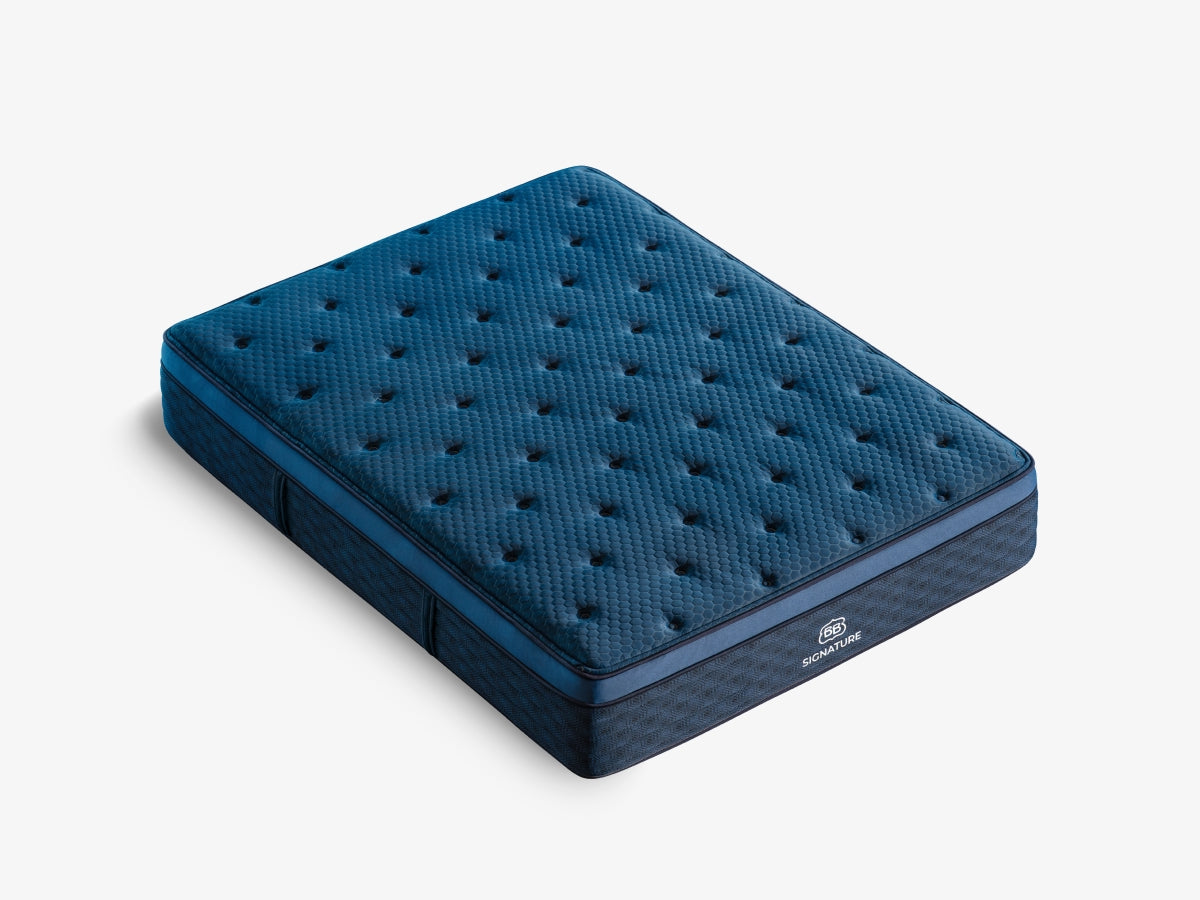
THE SHORT VERSION
Choose memory foam if you prefer a slower, more contouring surface; a hybrid if you want foam comfort layers with a coil support system; latex if you prefer quicker response and a more buoyant feel; or an innerspring if you want a simpler, spring-forward design. Then compare the exact layers, firmness, trial, and return terms because mattresses within the same category can feel very different.
Start with the feel, not the label
Mattress construction is one of the fastest ways to narrow a crowded market. Memory foam, hybrid, latex, and innerspring designs tend to behave differently when you lie down, turn over, sit near the edge, or share the bed. Those broad patterns are useful, but they are not guarantees.
A thick comfort layer can make a hybrid feel more foam-like. A thin layer of latex over coils can feel more like an innerspring. Two all-foam mattresses can respond differently because of their foam density, firmness, layer thickness, and cover. Use the type as a starting hypothesis, then read the full construction for the exact model and firmness you are considering.
Memory foam: slower response and closer contouring
Memory foam usually compresses gradually and returns to shape more slowly than springier materials. Shoppers who like a cradled feeling often start here. The close contour can also reduce some surface movement between sleep partners, although the result depends on the full mattress rather than one material alone.
The main tradeoff is ease of movement. A softer or thicker memory foam layer can make turning over feel less immediate, especially for someone who dislikes sinking into the surface. Close contouring can also feel warmer to some sleepers because more material sits near the body. A cooling cover or gel description does not settle that question. Layer thickness, room temperature, bedding, and how deeply you settle into the mattress can all affect the experience.
When comparing memory foam beds, check whether the mattress is entirely foam or uses another support core, how thick the comfort layers are, and whether multiple firmness choices are available. Do not assume every foam mattress will feel soft. Firm all-foam models exist, and firmness labels still vary by brand.
Hybrid: foam comfort layers over a coil system
A hybrid combines one or more comfort materials with a coil support system. The upper layers may use memory foam, polyfoam, latex, or a mix. This category appeals to shoppers who want some cushioning without giving up the quicker response associated with springs.
Hybrids often make repositioning easier than deeply contouring all-foam beds, but there is a wide range. A model with several inches of slow-response foam may still feel quite enveloping. A thinner comfort package may feel firmer and more spring-forward. Coils can also contribute to airflow through the support core, but the complete design still matters more than the word hybrid.
The tradeoffs include complexity and price. More layers do not automatically create a better fit, and a taller mattress can require deep-pocket sheets or make the bed harder to enter. Motion may also be more noticeable than on some all-foam designs, depending on the coils, comfort layers, bed frame, and sleeper. Check the actual height, layer diagram, edge construction, and whether the listed firmness applies to every version.
Latex: buoyant, responsive, and less sink-focused
Latex generally rebounds quickly and creates a more buoyant surface than memory foam. Instead of a slow hug, many latex mattresses provide cushioning while keeping the sleeper closer to the top of the bed. That can make changing positions feel more direct.
The same responsiveness can transmit more movement than a slow-response foam surface, so couples who are easily disturbed should compare the exact design and not rely on the material name. Latex mattresses can also be heavy, which matters when moving the bed, rotating it, or setting it on a foundation. Price is another common consideration, particularly when a mattress uses thick latex layers.
Read the composition carefully. A mattress described as latex may contain a thin latex comfort layer over coils or other foams, while another may use latex through most of the bed. Natural, synthetic, and blended latex are separate material descriptions. The useful question is not whether latex is automatically better, but how much is present, where it sits, and whether its quick response matches your preference.
Innerspring: a simpler, spring-forward build
Traditional innersprings rely on a coil support unit with a relatively modest comfort package above it. They often feel more responsive and less deeply contouring than thick foam mattresses. Shoppers who want a familiar, straightforward surface may prefer that approach.
A thinner comfort layer can mean less pressure-relieving cushion for someone who prefers a plush surface. Springs can also make motion or bounce easier to notice, although coil design and the layers above them influence the result. Edge feel varies as well. Some models reinforce the perimeter, while others do not.
The line between an innerspring and a hybrid is not perfectly consistent across sellers. Instead of debating the label, compare the comfort-layer thickness, material order, coil type, and overall height. That tells you more about the likely experience than the category name by itself.
Match the tradeoff to your priorities
If you want a close, slow contour, begin with memory foam. If you want cushioning plus a more responsive base, compare hybrids. If quick recovery and a buoyant surface matter most, look at latex. If you prefer a simpler spring feel with less material above the coils, include innersprings.
Couples should compare priorities separately before choosing a category. One person may value reduced movement while the other wants easier repositioning. A hybrid with moderate contouring may be a workable compromise, but it is not the only one. A larger bed, split firmness option, or different comfort-layer design may solve the conflict more effectively.
Temperature-sensitive shoppers should treat construction as one input rather than a promise. Coils can create open space in the support core, while deep contouring can place more material around the body. Covers, protectors, sheets, room conditions, and personal preference can change the result. Look for concrete construction details and be cautious with broad cooling language.
Compare exact models before you decide
Once you choose one or two promising construction types, build a shortlist of no more than three exact models. Confirm the size, firmness, layer materials, mattress height, current total price, delivery method, compatible foundation, home trial, return costs, and warranty terms. Similar names within a brand can refer to meaningfully different builds.
Use reviews to understand specifications and tradeoffs, not as proof that a mattress will feel the same to you. If possible, compare each candidate against a mattress you already know. Note whether you want more or less contouring, bounce, surface firmness, edge stability, and ease of movement. That relative comparison is usually more useful than chasing a universal best type.
- Memory foam: slower response and closer contouring
- Hybrid: comfort layers paired with a coil support system
- Latex: quicker response and a more buoyant surface
- Innerspring: a simpler build with a more spring-forward feel
- Every type: verify the exact layers, firmness, policies, and foundation rules